
































Weather in the Dandenong Ranges is one of the biggest factors influencing a visit.
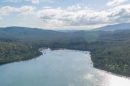
Although the mountains are only around an hour from Melbourne, conditions can feel completely different from the city and surrounding suburbs below. The higher elevation, increased rainfall and dense forest environment create a cooler, wetter and more changeable climate.
A sunny morning in Melbourne can become a cool, misty afternoon around Mount Dandenong, Olinda or Sassafras. A hot summer day in the city can feel comfortable in the shaded mountain forests.
Understanding the weather is therefore an important part of planning a Dandenong Ranges visit.
The forecast affects:
- bushwalking conditions;
- waterfall flows;
- garden displays;
- scenic views;
- road conditions;
- snow opportunities;
- what clothing to bring.
Why Is the Dandenong Ranges Weather Different From Melbourne?
The main reason is elevation.
The highest parts of the Dandenong Ranges sit more than 600 metres above sea level, while much of Melbourne sits close to sea level.
That difference creates cooler temperatures and more frequent cloud and rainfall.
Areas such as:
- Mount Dandenong;
- Olinda;
- Sassafras;
- Kalorama;
can often be several degrees cooler than Melbourne, especially in the morning and evening.
The mountains also influence local weather patterns. Moist air rises as it moves across the ranges, helping create the lush forests, fern gullies and cool-climate gardens that define the region.
This same climate is why attractions such as:
- Dandenong Ranges Botanic Garden;
- Sherbrooke Forest;
- Olinda Falls;
- William Ricketts Sanctuary;
have such distinctive environments.
Dandenong Ranges Seasons
You can visit the ranges year-round, but each season offers a different experience.
Summer Weather
Summer is often one of the most comfortable times to explore the Dandenong Ranges.
While Melbourne can experience hot days, the higher areas of the ranges are generally cooler, particularly in shaded forest areas.
Summer is ideal for:
- forest walks;
- gardens;
- scenic drives;
- village visits.
However, visitors should not assume the mountains are free from heat risks.
Hot, dry and windy conditions can create serious bushfire danger.
Before visiting national parks or forest areas during summer, check:
- fire danger ratings;
- park closures;
- weather warnings.
The forest shade can make conditions feel cooler, but bushfire risk remains the most important summer consideration.
Autumn Weather
Autumn is one of the most popular times to visit the Dandenong Ranges.
The cooler temperatures, changing foliage and generally comfortable walking conditions make it particularly appealing for:
- gardens;
- scenic drives;
- village visits;
- photography.
The region’s many deciduous trees create some of the best autumn colour displays near Melbourne.
Popular autumn destinations include:
- Dandenong Ranges Botanic Garden;
- Alfred Nicholas Memorial Gardens;
- Cloudehill Garden;
- Sassafras and Olinda villages.
Rain remains possible, and temperatures can drop quickly later in the day.
A light jacket is recommended even when conditions appear mild.
Winter Weather
Winter gives the Dandenong Ranges their classic misty mountain atmosphere.
Conditions are generally:
- cool;
- damp;
- cloudy;
- occasionally foggy.
Winter is one of the best seasons for:
- waterfall walks;
- rainforest scenery;
- cosy cafés;
- misty photography.
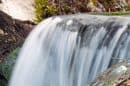
Attractions such as Olinda Falls and Sherbrooke Falls often benefit from stronger water flow after periods of rain.
The trade-off is that tracks can become:
- muddy;
- slippery;
- wetter underfoot.
Good footwear and weather protection are recommended.
Spring Weather
Spring is one of the busiest seasons in the Dandenong Ranges.
The combination of warmer days, rainfall and longer daylight hours makes it a particularly popular time for gardens.
Spring highlights include:
- flowering gardens;
- fresh forest growth;
- walking trails;
- outdoor dining.
Conditions can change quickly, however.
A cool morning can become a warm afternoon, while rain showers can develop unexpectedly.
Layered clothing is the best approach.
Rainfall in the Dandenong Ranges
The Dandenong Ranges receive considerably more rainfall than Melbourne.
That rainfall is one of the reasons the region supports:
- Mountain Ash forests;
- fern gullies;
- moss-covered landscapes;
- cool-climate gardens.
Rain is spread throughout the year rather than occurring only in one season.
For visitors, rainfall has both benefits and drawbacks.
After rain:
Waterfalls are often more impressive.
Forests look greener.
Air quality and visibility can improve.
During rain:
Tracks can become slippery.
Outdoor activities may be less comfortable.
Roads can become more challenging.
A rainy forecast does not necessarily mean a bad visit. In many cases, the mist and wet forest atmosphere are part of what makes the Dandenong Ranges special.
Fog, Mist & Driving Conditions
Fog is one of the most recognisable weather features of the Dandenong Ranges.
It is common around higher areas, especially:
- early mornings;
- winter;
- after rainfall.
Fog can create beautiful conditions for photography, but it also affects driving.
Visitors should take care on mountain roads because:
- visibility can change quickly;
- roads are winding;
- surfaces may be wet;
- wildlife may be harder to see.
Use headlights when visibility is reduced and allow extra travel time.
Does It Snow in the Dandenong Ranges?
Snow is uncommon in most of the Dandenong Ranges but does occasionally occur.
The highest points, particularly around:
- Mount Dandenong;
- nearby higher elevations;
- Mt Donna Buang outside the main Dandenong Ranges area;
are the most likely places to experience snow.
However, snow is not guaranteed every winter.
Visitors should check current conditions rather than travelling based only on a cold-weather forecast.
When snow does fall, popular areas can become extremely busy.
Weather & Popular Attractions
Weather affects different attractions in different ways.
Gardens
Rain and cooler conditions can enhance the gardens, particularly in spring and autumn.
Visitors should bring:
- waterproof layers;
- suitable footwear;
- protection from muddy paths.
Waterfalls
Waterfalls are often best after rainfall.
Popular examples:
- Olinda Falls;
- Sherbrooke Falls.
The same wet conditions that improve the waterfalls can also make tracks slippery.
Bushwalking
Walking conditions depend heavily on recent weather.
Before longer walks, check:
- rainfall;
- temperature;
- fire danger;
- track conditions.
Carry water even on cooler days, and bring weather protection.
Scenic Drives
Mountain roads are part of the Dandenong Ranges experience, but weather can make them more challenging.
Take extra care during:
- fog;
- heavy rain;
- storms;
- icy conditions.
What Should I Wear in the Dandenong Ranges?
The best approach is layers.
Even in summer, visitors may appreciate:
- a light jacket;
- rain protection;
- comfortable walking shoes.
For winter visits:
- warm layers;
- waterproof outerwear;
- shoes with good grip;
are recommended.
Visitors walking forest trails should avoid smooth casual footwear, particularly after rain.
Best Time to Visit the Dandenong Ranges
There is no single best season because each offers something different.
Best for gardens:
Spring and autumn
Best for waterfalls:
Winter and after rainfall
Best for walking:
Autumn, spring and cooler summer days
Best for cosy village experiences:
Winter
Best for avoiding crowds:
Weekdays and outside school holidays
The most important factor is matching the weather to the experience you want.
Planning a Weather-Smart Visit
Before travelling, check:
- local forecast;
- Parks Victoria conditions;
- fire danger ratings;
- road conditions during severe weather.
Do not rely only on Melbourne forecasts.
Visitors planning a garden visit, forest walk, or mountain drive should check conditions closer to the destination.
The Dandenong Ranges reward visitors who come prepared. The same changing weather that creates challenges also creates the misty forests, flowing waterfalls and cool mountain atmosphere that make the region unique.
Dandenong Ranges Weather FAQs
Is the Dandenong Ranges colder than Melbourne?
Yes. The higher elevation means areas such as Mount Dandenong, Olinda and Sassafras are often noticeably cooler than Melbourne, particularly in winter.
Does it snow in the Dandenong Ranges?
Occasionally, but snow is uncommon and not guaranteed. Higher locations have the best chance during suitable winter conditions.
What is the best season to visit the Dandenong Ranges?
It depends on your interests. Spring and autumn are excellent for gardens and walking, winter suits waterfalls and cosy village visits, and summer is good for escaping city heat.
Should I bring a jacket to the Dandenong Ranges?
Yes. Conditions can change quickly, and even summer evenings can feel cool at higher elevations.
Are Dandenong Ranges roads safe in winter?
Generally yes, but visitors should take extra care during fog, heavy rain, snow or icy conditions.
Does rain ruin a Dandenong Ranges visit?
No. Rain can actually improve waterfalls and create the misty forest atmosphere the region is known for, although visitors should prepare for slippery tracks.
What weather is best for seeing waterfalls?
Waterfalls are generally strongest after periods of rainfall, particularly in winter and spring.

Is it a bad idea to come for a visit to the top of mount dandenong if it’s going to storm. Thankyou very kindly. Stace.
Hi Stacey,
Well, that depends. It could be very dangerous if you plan to be out and about, but if you are travelling up to the restaurant for dinner, I think you will be fine. But best to check the Bureau of Meteorology for the current radar conditions.
Best regards,
Jess
When will the steps be re-opened? (since the tree fall)
Hi Grace,
Parks Victoria confirmed that the track reopened today at lunchtime. The local rangers worked around the clock to clear a path through a 200 year old tree that fell over the pathway.
Have a great time at the 1000 Steps and Dandenong Ranges!
Kind regards,
Jess
Have you had snow in the last 24/48 hours in the Dandenong Ranges and do you expect more?
Hi Jaqui,
Yes there was a little snow in the Dandenong Ranges, however the weather forecast for the next 10 days only indicates cold and rainy weather. Will likely sit around 8-10 degrees.
Regards,
Jess
finding hard to trust your weather forecast………..35 degrees?
Can you please confirm the weather today and if it is going to be a suitable day to enjoy your course.
Thanks
Hi Shane,
Thanks for bringing this to my attention. There seems to have been an issue with the weather widget.
I have since fixed this and it is apparently going to reach a high of 24 degrees today in Belgrave.
Hope this helps and have a great day out there.
Thanks
Michael