
































Dandenong Ranges walks range from the steep 1000 Steps to forest tracks, waterfall approaches and planted garden paths. Choose for the whole return journey rather than the distance to a viewpoint: a short descent may leave a demanding climb back to the car.
The main choices offer different rewards. Sherbrooke is about tall trees and fern gullies around a small cascade; Olinda Falls has a shorter woodland approach; the 1000 Steps combines exercise with a Kokoda memorial setting. Gardens and lakeside paths provide more flexible outings, though slopes still matter.
The 1000 Steps and Kokoda Memorial Walk
The Kokoda Track Memorial Walk, commonly called the 1000 Steps, begins in the Ferntree Gully section of Dandenong Ranges National Park. Its sustained staircase climb suits visitors looking for a physical challenge. Allow time to appreciate the memorial setting rather than treating the track only as a fitness session.
Carry water, pace the ascent and save energy for the return. The steps are unsuitable for prams or visitors needing a level route. Older children who enjoy climbing may manage well, but the least confident walker should set the plan.
Parking can be busy on weekends. Upper Ferntree Gully station provides another approach for walkers, with additional distance before reaching the precinct. Use signed access and return routes, and leave gates and roads unobstructed if the car park is full.
Sherbrooke Falls: Enjoy the Forest
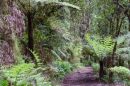
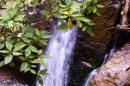
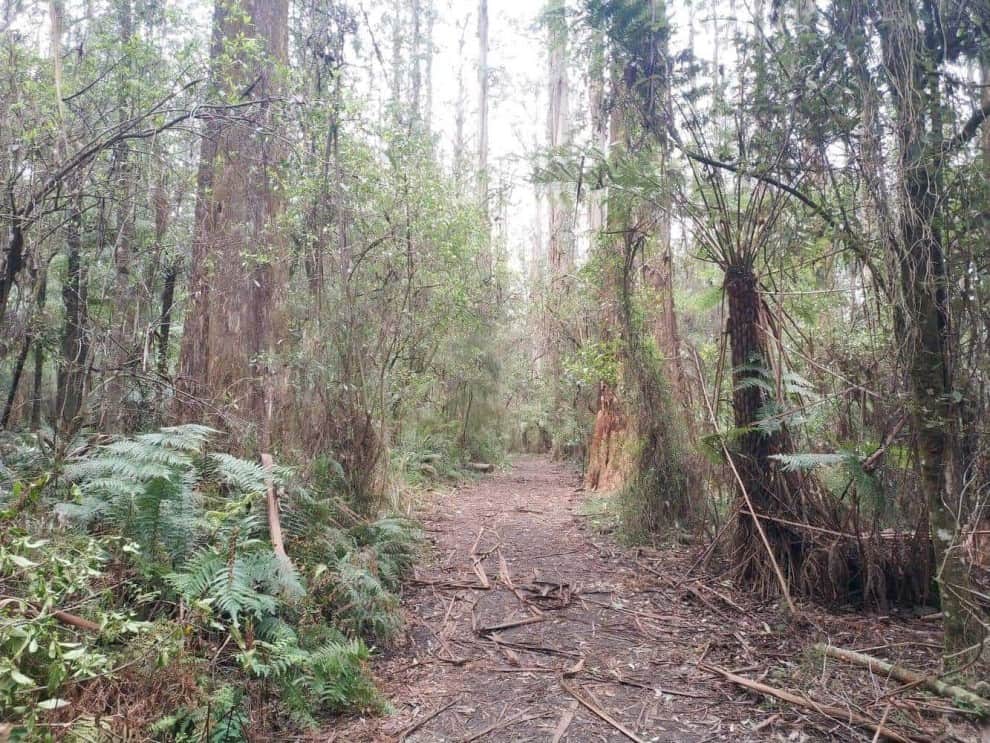
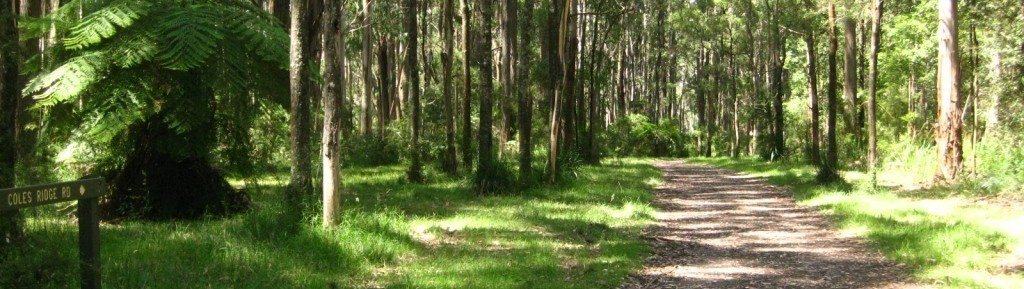
Sherbrooke Falls is a small cascade among ferns, with much of its appeal along the approach through mountain ash forest. Expect a forest walk rather than a large open waterfall viewpoint. Taking time to look and listen can be more rewarding than rushing to the water.
Sherbrooke and O’Donohue picnic grounds provide starting points. Use the park map for your chosen approach and follow the signed track, which returns to the same starting point. Wear grippy shoes for uneven or muddy sections.
Recent rain can improve flow but also make the ground slippery. Stay on formed paths and do not feed animals. Wildlife sightings are a bonus, so enjoy the forest itself whether or not a lyrebird appears.
Olinda Falls
From Olinda Falls Picnic Ground, Falls Track leads downhill through forest towards the creek and its viewing areas. Include the uphill return when deciding whether the walk suits your group. Steps, uneven ground and slippery surfaces make this a different proposition from a paved garden path.
The upper and lower viewing areas are separate points along the route. Follow signs and barriers at the site, and read Parks Victoria’s current track alerts before departure. Turn around at an open viewpoint if continuing would exceed your group’s ability.
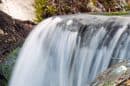
Keep waterfall visits to viewing areas and formed tracks. A fuller cascade after rain does not justify climbing onto slippery rocks or bypassing a barrier. If the approach is unsuitable, choose a garden or picnic outing instead.
Shorter Outings and Access Needs
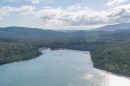
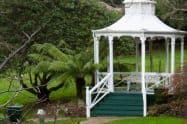
A selected lakeside path at Emerald Lake Park or a short garden visit allows more freedom to turn around. At Dandenong Ranges Botanic Garden, sealed main paths include substantial slopes and side paths can be gravel. Staying near the entrance reduces the climb involved in exploring the lower grounds.
Margaret Lester Forest Walk at Grants Picnic Ground has uneven surfaces and drainage problems and no longer meets Parks Victoria’s expected all-abilities trail standard. Visitors who need a continuous accessible forest route should choose a different walk.
For a wheelchair, walker or pram, match the gradient, surface, width and steps to the equipment and assistance available. An accessible toilet alone does not make a route through the forest suitable. Discuss specific access needs with the park before committing to a track where turning around would be difficult.
With children, choose a distance they can walk back as well as out. A short outing with time to look at trees and ferns can be more enjoyable than completing a famous route with a tired child. Bring food, water and layers, and keep enough time for rest stops.
Dogs, Closures and Preparation
Pet dogs are not permitted in Dandenong Ranges National Park. Assistance dogs have separate entry requirements. Gardens and council parks set their own rules, so choose a dog-friendly destination for the entire outing rather than connecting it to a national park track.
The whole national park closes at an Extreme or higher Fire Danger Rating. Severe weather, works, and management operations can also close particular areas. Read official alerts before walking, respect on-site barriers and postpone when dangerous conditions are forecast.
Save a map, carry water and rain protection, and leave enough daylight for the return. Tell someone your route for longer walks, and avoid relying entirely on phone reception in forested gullies. Turn back if conditions or energy deteriorate; stay on formed paths rather than skirting mud or damaged sections through vegetation.
Dandenong Ranges Walks & Waterfalls FAQs
What is the most famous walk?
The 1000 Steps is the best-known choice, combining a sustained steep climb with the Kokoda memorial setting. Include the approach and signed return in your plan. It is unsuitable for prams or visitors requiring a level, step-free route.
Which waterfall should I visit?
Choose Sherbrooke Falls for tall forest and fern gullies around a small cascade. Olinda Falls offers a woodland approach from its picnic ground, with an uphill return. Select for the walk as well as the water, and read current park alerts before leaving.
Are there easy walks?
Selected garden and lakeside paths allow shorter outings and an earlier turnaround, although slopes and surfaces still matter. The Botanic Garden has steep sections even on sealed paths. Margaret Lester Forest Walk has surface and drainage problems, so it is unsuitable as a default accessible option.
Can I bring a dog?
Pet dogs are not permitted in Dandenong Ranges National Park. For a dog outing, choose a garden or council reserve that allows them and keep the whole route within permitted areas. Assistance dogs have separate entry requirements.
When are waterfalls best?
Flow can improve after rain, but mud, slippery ground and dangerous weather can outweigh the benefit. Choose a formed, open route and leave enough energy for the return. Respect closures and barriers instead of seeking a closer view from rocks or damaged tracks.

Do You Have a Question to Ask?