























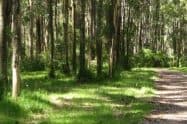

Mount Dandenong is one of the highest and most recognisable parts of the Dandenong Ranges, known for panoramic views across Melbourne, tall mountain ash forest, walking tracks and some of the region’s best-known attractions.
The suburb sits between Kalorama and Olinda along Mount Dandenong Tourist Road, with residential streets and forest spread across the slopes below the summit. Unlike Olinda and Sassafras, it doesn’t revolve around a large village shopping precinct. Its main visitor appeal comes from the mountain itself: SkyHigh, William Ricketts Sanctuary, Mount Dandenong Arboretum, Burkes Lookout and the surrounding Dandenong Ranges National Park.
Mount Dandenong works particularly well for a half-day or full-day trip from Melbourne and is also a strong place to stay overnight if you want a quiet forest or mountain retreat.
Things to see and do in Mount Dandenong
SkyHigh Mount Dandenong
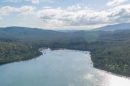
SkyHigh Mount Dandenong is the suburb’s major visitor attraction and occupies the summit area at 26 Observatory Road. Its elevated position provides extensive views across metropolitan Melbourne and Port Phillip, with visibility stretching much further on clear days. The grounds include landscaped gardens, walking areas, viewpoints, and a hedge maze, while the bistro offers casual meals, coffee, and refreshments.
SkyHigh’s viewing grounds and bistro are open, but the restaurant’s dinner service is currently unavailable. A vehicle entry or parking charge applies; check SkyHigh’s current dining times, prices and access before travelling. Clear mornings usually offer the best long-distance visibility, while an evening visit gives a different view of Melbourne’s lights.
Weather can change rapidly at this elevation, and cloud or fog can obscure the view completely even when conditions are clear in Melbourne.
Mount Dandenong Observatory
The summit viewpoint around SkyHigh has long been known as the Mount Dandenong Observatory. At around 630 metres above sea level, this is close to the highest point in the Dandenong Ranges. The location provides one of the broadest elevated views over Melbourne and its surrounds, including the city skyline, Port Phillip and distant ranges when visibility is good. It is not an astronomical observatory in the conventional sense with a public telescope program. Visitors come primarily for the elevated outlook and landscaped summit setting.
William Ricketts Sanctuary
William Ricketts Sanctuary is one of Mount Dandenong’s most distinctive attractions. Set among mountain ash trees and fern gullies at 1402 Mount Dandenong Tourist Road, the sanctuary features ceramic sculptures by artist William Ricketts, integrated throughout the forest landscape. Figures appear among rocks, tree roots and ferns along winding paths, creating a very different experience from the formal gardens and lookouts elsewhere in the ranges. The sanctuary reopened on 3 August 2026 after being closed since the severe June 2021 storms.
The reopening is being staged. The main walking areas are accessible again, but parts of the site, including the original residence and gallery area, remain fenced while further work continues. Entry is free. The terrain is steep and uneven in places, and accessibility remains limited. The public car park is about 150 metres from the entrance on Mount Dandenong Tourist Road, so visitors must walk up a steep path and cross the road carefully.
Because the reopening has attracted large crowds, weekdays are currently a better choice if possible.
Mount Dandenong Arboretum
Mount Dandenong Arboretum is a much quieter alternative to the area’s better-known gardens. The 16-hectare arboretum was established between 1928 and 1931 and originally focused on exotic and southern-hemisphere conifers. Today, visitors can see monkey puzzle trees, kauri, hoop pines, oaks, elms and other mature species arranged across the sloping landscape. Informal walking paths run through the trees, and an accessible picnic area near the car park offers views towards Silvan and the surrounding ranges.
Autumn brings strong foliage colour, while winter opens up longer views through the deciduous trees. Dogs are permitted but must remain on a leash. The arboretum’s tracks can be steep and unsealed, so it suits visitors comfortable with uneven terrain.
Burkes Lookout
Burkes Lookout provides one of the strongest natural viewpoints in the Dandenong Ranges. Located on Kyeema Track within Dandenong Ranges National Park, the lookout sits at around 611 metres above sea level. On a clear day, views can extend across Melbourne towards Port Phillip, the You Yangs, Mount Macedon, Kinglake Ranges and both the Bellarine and Mornington peninsulas. There is no large visitor centre or formal viewing platform here. The appeal comes from the open western outlook from the forest edge.
You reach Burkes Lookout on foot rather than by driving directly to the viewpoint. One of the more demanding approaches begins from the Doongalla Homestead area using Channel 10 Track and Zig Zag Track. Visitors wanting a simpler panoramic experience may prefer SkyHigh, while Burkes Lookout suits walkers better.
Kyeema Track and Memorial
Kyeema Track follows the high western side of Mount Dandenong and passes close to Burkes Lookout. The track is associated with the 1938 crash of the Kyeema aircraft, which struck Mount Dandenong in heavy cloud. A memorial along the route commemorates the 18 people who died. The track is also now part of ngurrak barring, the Dandenong Ranges’ 39-kilometre arts and culture trail. Opened in 2026, ngurrak barring links existing walking routes across the ranges with permanent artworks, architectural installations and interpretation focusing on First Nations culture, local history and creative practice.
The Ways of Seeing installation on Kyeema Track adds a new reason to explore this section of Mount Dandenong beyond the traditional lookout walk.
Forest Walks and Wildlife
Dandenong Ranges National Park
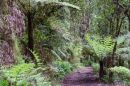
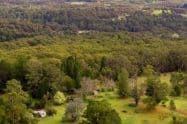
Large sections of forest around Mount Dandenong form part of Dandenong Ranges National Park. Mountain ash trees, fern gullies and cool temperate forest dominate the landscape, with lyrebirds, wallabies, crimson rosellas and other native wildlife regularly encountered. The northern section of the park links Mount Dandenong with Olinda, Kalorama and Doongalla through an extensive network of tracks. Walks vary considerably in difficulty. Some follow broad management tracks, while others climb steeply through gullies and ridges.
Storm damage, fallen trees, maintenance work and fire-management operations can temporarily affect access, so checking current Parks Victoria conditions before setting out is worthwhile.
Doongalla Homestead and Forest Walks
Doongalla lies on the lower western side of Mount Dandenong and provides one of the area’s best forest picnic and walking precincts. The original Doongalla Homestead was destroyed by fire, but old stone steps and traces of the landscaped grounds remain. Separate picnic areas have parking, while walking tracks climb through tall forest around the former estate. The Stables Track Loop is one of the easier options, passing through forest where lyrebirds are regularly encountered.
Much harder routes climb towards the summit ridge and Burkes Lookout. The elevation gain is significant, so a track that looks short on a map may involve a demanding climb.
Forest Walks and Wildlife
Mount Dandenong is a good area for visitors who want to experience Dandenong Ranges forest without committing to the better-known 1000 Steps. Walking tracks around Doongalla, Kyeema Track and the national park pass beneath mountain ash and through dense fern understorey. Lyrebirds are a signature species of the ranges and are often heard scratching through leaf litter, particularly after rain. Wallabies, echidnas and colourful parrots may also be encountered.
Observe wildlife from a distance, and never feed birds or other animals.
Eating and Drinking
Mount Dandenong has several cafes and restaurants scattered along Mount Dandenong Tourist Road and around the summit area, but its dining scene is smaller and more dispersed than Olinda’s. SkyHigh is the most obvious visitor dining option because of its views, although its current service is primarily centred on the bistro rather than the former full restaurant operation. Olinda is only a few minutes south and offers a much larger concentration of cafes and restaurants.
Sassafras and Kalorama add further choices nearby. This makes Mount Dandenong easy to pair with lunch or dinner elsewhere in the ranges, rather than requiring visitors to stay within the suburb for every meal.
Accommodation in Mount Dandenong
Mount Dandenong is one of the better areas in the Dandenong Ranges for a quiet overnight stay. Accommodation is dominated by cottages, guesthouses, boutique retreats, bed and breakfasts and self-contained properties rather than large hotels. Many properties are surrounded by forest or gardens, and some take advantage of the suburb’s elevated position with views towards Melbourne or surrounding valleys. Couples are particularly well catered for, with spa cottages and smaller retreats common throughout the area.
Staying overnight also gives visitors a chance to experience the mountain after day-trip traffic has eased. It makes it easier to explore Olinda, Sassafras and Kalorama over more than one day.
When to Visit Mount Dandenong
You can visit Mount Dandenong year-round, but conditions change substantially with the seasons. Spring brings fresh forest growth and flowering gardens throughout the wider ranges. Autumn is particularly attractive at Mount Dandenong Arboretum and nearby gardens, with deciduous foliage adding colour to the hills. Summer temperatures are usually cooler than in central Melbourne, although bushfire risk can lead to park closures on days of Extreme or Catastrophic Fire Danger.
Winter is cold, misty and often wet. Fog can reduce visibility to almost nothing around the summit, but it also gives the forest a distinctive atmosphere. Light snow or sleet is possible during particularly cold weather but should not be expected on a normal winter visit.
Getting to and Around Mount Dandenong
Driving is the easiest way to visit Mount Dandenong. Mount Dandenong Tourist Road is the main route through the suburb, connecting Montrose and Kalorama in the north with Olinda and Sassafras to the south. The roads are winding and can get busy on weekends. Fog, rain, fallen branches and cyclists also require additional care. Parking varies significantly between attractions. SkyHigh has its own paid parking area, while William Ricketts Sanctuary uses a separate public car park around 150 metres from the entrance.
Public transport is possible using bus route 688. The route connects Croydon station on the Lilydale Line with Upper Ferntree Gully station on the Belgrave Line via Mount Dandenong, Olinda and Tremont. It stops directly outside William Ricketts Sanctuary and provides one of the more useful public transport links through the high Dandenong Ranges. Visitors without a car can therefore reach parts of Mount Dandenong reasonably well, but accessing multiple lookouts, gardens and walking trailheads in one day is much easier by car.
The suburb is not especially walkable overall. Attractions are spread along steep roads and forest tracks rather than clustered around a single centre.
Nearby Places to Visit
Olinda lies immediately south and is the closest major visitor village, with the Dandenong Ranges Botanic Garden, Cloudehill, cafes and boutique shopping. Kalorama lies north and offers additional viewpoints, forest scenery and quieter residential areas. Sassafras is a short drive beyond Olinda and is known for tearooms, specialty stores and historic village character. Further down the mountain, Montrose provides larger shops and services. Because these places are so close together, Mount Dandenong is easy to include in a broader loop through the northern Dandenong Ranges.
Plan a Mount Dandenong View and Forest Visit
Start at SkyHigh or Burkes Lookout when the forecast offers a clear view, then drive to the arboretum or another suitable forest trail for a walk. These places have separate entrances and do not form one easy paved circuit; allow for winding roads and choose a track suited to your group. Cloud may hide the city from the summit even when conditions seem clear lower down.
With a few hours, one lookout and one short walk will feel more rewarding than driving between every named stop. For a longer visit, add lunch or William Ricketts Sanctuary, which reopened in August 2026; confirm its current visiting arrangements and fenced sections before setting out.
Is Mount Dandenong Worth Visiting?
Mount Dandenong is one of the key destinations in the Dandenong Ranges and is particularly strong for views, forest walks and scenic attractions. SkyHigh offers the easiest panoramic experience, while William Ricketts Sanctuary, Mount Dandenong Arboretum, and the national park add more depth for visitors who want to spend several hours in the area. It differs from nearby Olinda and Sassafras because it focuses less on village shopping and more on the mountain landscape itself.
A half-day is enough to visit SkyHigh and one other attraction. At the same time, a full day allows time for William Ricketts Sanctuary, a forest walk and stops in neighbouring Olinda or Kalorama. For visitors wanting a combination of Melbourne views, forest and one of the ranges’ most distinctive cultural attractions, Mount Dandenong is one of the strongest choices in the region.
Mount Dandenong FAQs
Where is Mount Dandenong?
Mount Dandenong is in Victoria’s Dandenong Ranges, around 35 kilometres east of central Melbourne, between Kalorama and Olinda.
How high is Mount Dandenong?
The summit area is approximately 630 metres above sea level, making it one of the highest points in the Dandenong Ranges.
What is Mount Dandenong best known for?
Mount Dandenong is best known for SkyHigh, panoramic views across Melbourne, William Ricketts Sanctuary, forest walks and Dandenong Ranges National Park.
Is William Ricketts Sanctuary open?
Yes. William Ricketts Sanctuary reopened on 3 August 2026 after being closed since the June 2021 storms. Some sections remain fenced while restoration continues.
Is William Ricketts Sanctuary free?
Yes. Entry to William Ricketts Sanctuary is free.
Can you visit SkyHigh Mount Dandenong without eating there?
Yes. Visitors can enter the grounds for the views and gardens without having a full meal, although a vehicle parking fee applies.
Is Mount Dandenong good for walking?
Yes. Dandenong Ranges National Park has numerous tracks around Mount Dandenong, including routes through Doongalla and along Kyeema Track to Burkes Lookout.
Can you reach Mount Dandenong by public transport?
Yes. Bus route 688 travels through Mount Dandenong between Croydon and Upper Ferntree Gully stations.
Do you need a car at Mount Dandenong?
Not for every attraction, but a car is the easiest way to visit several lookouts, gardens and walking areas in one day.
How long should you spend at Mount Dandenong?
Allow at least half a day for SkyHigh and one additional attraction. A full day is better if you want to include William Ricketts Sanctuary, a forest walk and nearby Olinda or Kalorama.



Do You Have a Question to Ask?