

































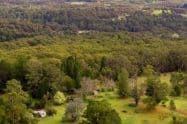

Olinda is one of the best-known villages in the Dandenong Ranges, combining cool-climate gardens, mountain ash forest, boutique shopping, cafes and walking tracks in a high-elevation setting around an hour east of central Melbourne.
The village sits between Sassafras and Mount Dandenong to the north and Kallista and Monbulk to the south-east. Its compact commercial centre is easy to explore on foot, but many of Olinda’s major attractions are spread through the surrounding hills. Hence, a car is useful if you want to visit several gardens, waterfalls and neighbouring villages in the same day.
Olinda is particularly rewarding in spring and autumn, when its gardens and deciduous trees are at their most colourful. Still, the combination of forest, food and village atmosphere makes it a year-round day-trip and weekend destination.
Things to see and do in Olinda
Olinda Village
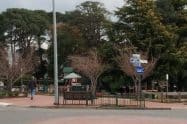
The main village centre is clustered around Mount Dandenong Tourist Road and Olinda-Monbulk Road. It is small enough to explore on foot, with cafes, restaurants, gift shops, galleries and specialty stores occupying a mixture of older buildings and more recent shopfronts. Rather than functioning as a large retail centre, Olinda’s shopping is mostly aimed at leisurely browsing. Visitors will find homewares, gifts, local art, clothing, garden-related products and other independent businesses rather than major chain stores.
The village can become busy on weekends and during peak spring and autumn periods, particularly around lunchtime. Parking close to the main strip can fill quickly, so arriving earlier in the day often makes a visit easier. Sassafras is only a short drive north and has a similar village-shopping character, making the two easy to combine.
Dandenong Ranges Botanic Garden
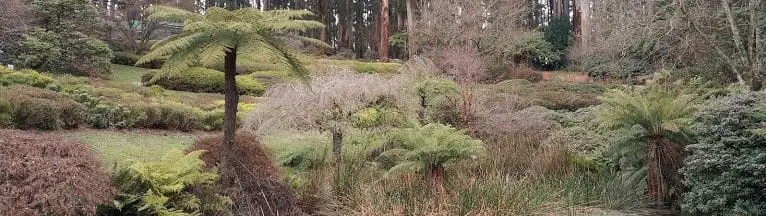
Dandenong Ranges Botanic Garden is Olinda’s major attraction and one of Victoria’s most important cool-climate gardens. The 50-hectare garden contains extensive collections of rhododendrons, azaleas, camellias, daffodils and other cool-climate plants set among native and exotic trees. A main paved circuit of around 3.5 kilometres takes visitors through much of the garden, passing ornamental lakes, lawns and elevated viewpoints across the Yarra Valley. Secondary paths branch off the main route for visitors who want to explore more deeply.
Spring is the busiest period, particularly when rhododendrons and azaleas are flowering, while autumn brings strong foliage colour across many of the deciduous trees. The garden remains worthwhile outside these peak seasons. Summer offers a cooler alternative to Melbourne’s lower suburbs, while winter can be misty and atmospheric. Parking can be difficult on busy weekends and during peak flowering periods. Additional parking is available around Olinda Recreation Reserve, the former Olinda Golf Course precinct and Olinda Community House.
Chelsea Australian Garden at Olinda
The Chelsea Australian Garden is one of the newer additions to the Dandenong Ranges Botanic Garden precinct. It is a large-scale re-creation of the Australian Garden that won Best in Show at the 2013 Chelsea Flower Show in London. The permanent Olinda version is substantially larger than the original and incorporates around 15,000 plants across approximately 400 species. Key features include a waterfall, billabong, boardwalks and a nine-metre Waratah sculpture, with planting designed around Australian species and different local microclimates.
The garden is integrated with the former Olinda Golf Course site and provides a very different experience from the traditional rhododendron and camellia displays elsewhere in the Botanic Garden.
Olinda Precinct and Nature Playscape
The former Olinda Golf Course has been transformed into a broader public recreation precinct. The Olinda Precinct includes open grassland, walking areas, connections to the Botanic Garden and a large nature playscape. The playspace includes sand and water play, balancing structures, slides, flying foxes, rope elements, trampolines and cubby-style play areas. This makes the precinct particularly useful for families combining the formal gardens with something more active for children.
It also provides additional parking during busy periods around the Botanic Garden.
Cloudehill Garden
Cloudehill is one of Olinda’s best-known private gardens. Located on Olinda-Monbulk Road, the five-acre garden is arranged into a series of formal and informal garden rooms, with clipped hedges, topiary, bulb meadows, mature trees and seasonal flowering displays. Its design draws heavily on the Arts and Crafts tradition, with around 25 distinct garden areas arranged across the sloping site. Cloudehill is particularly popular with gardeners, photographers and visitors interested in landscaping, but it also works well as a relaxed stop on a wider Olinda itinerary.
A nursery and garden shop operate on the property, while the restaurant overlooks the gardens. Unlike the free public gardens managed by Parks Victoria, Cloudehill charges admission.
Pirianda Garden
Pirianda Garden offers a quieter alternative to Olinda’s busiest attractions. The 11-hectare garden sits on a steep site off Hacketts Road and features an extensive collection of rare trees and shrubs gathered from around the world. Maples, birches, magnolias, rhododendrons, camellias and dogwoods create strong seasonal interest, with autumn one of the most impressive times to visit. Walking here is more demanding than at the main botanic garden. The site descends steeply through terraces and fern gullies, and some paths can be slippery.
The lower sections aren’t suitable for everyone with limited mobility, so visitors should consider the terrain before setting out. Pirianda is particularly appealing to people who want a garden experience without the larger crowds often found at the Dandenong Ranges Botanic Garden.
Forest and Arboretum Walks
Olinda Falls and Dandenong Ranges National Park
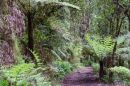
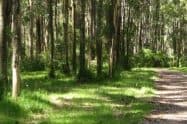
Olinda also provides access to the northern section of Dandenong Ranges National Park. Olinda Falls is the best-known natural attraction in this part of the park. You reach the falls on a short forest walk from Olinda Falls Picnic Area through tall mountain ash and fern-filled gullies. Water flow is generally strongest after rain and through the cooler months. The track can be steep and slippery, particularly in wet conditions, so sturdy footwear is worthwhile.
The surrounding national park has additional forest tracks and picnic areas, and lyrebirds are often heard or seen among the undergrowth. Visitors should check Parks Victoria conditions before heading into the forest, especially after storms, during fire-danger periods or when temporary track closures are in place.
RJ Hamer Arboretum
RJ Hamer Arboretum lies on the edge of Olinda and is another worthwhile stop for visitors interested in trees, walking and views. The 101-hectare arboretum was established on former pine plantation land and now contains a wide variety of exotic and native trees. Its open slopes provide broad views towards the Yarra Valley and Great Dividing Range. The landscape feels much more open than the enclosed rainforest and mountain ash forest found elsewhere around Olinda, making it a useful contrast to the nearby botanic gardens and national park.
Eating and Drinking in Olinda
Olinda has a strong cafe and restaurant scene for a village of its size. Most venues are concentrated around Mount Dandenong Tourist Road and Olinda-Monbulk Road, making it easy to combine lunch or coffee with browsing the village shops. Dining ranges from casual cafes and bakeries to more substantial restaurants and garden-based dining. Olinda’s former Cuckoo Restaurant was once one of the area’s best-known dining attractions, but it closed in 2021 and should no longer be treated as an operating visitor venue.
For additional dining choices, Sassafras, Mount Dandenong and Belgrave are all within a short drive.
Accommodation in Olinda
Olinda is one of the strongest accommodation bases in the Dandenong Ranges. Options include cottages, guesthouses, bed and breakfasts, boutique retreats and self-contained accommodation, often surrounded by gardens or forest. Staying overnight allows visitors to experience the village after the day-trip crowds have left and gives more time to explore the gardens and neighbouring villages without rushing. Couples are particularly well catered for, with many properties designed around spa stays and romantic weekends.
Families and groups can also find larger self-contained properties throughout the surrounding hills. Visitors wanting extensive nightlife or major shopping will find Olinda quiet after dark, but that is part of its appeal as a mountain retreat.
When to Visit Olinda
Olinda changes noticeably through the seasons. Spring is the major garden season, with rhododendrons, azaleas, camellias, magnolias and bulbs bringing strong colour to the area. Autumn is equally popular for deciduous foliage, particularly at Pirianda, Cloudehill and throughout the residential streets. Summer is generally cooler than Melbourne’s inner suburbs and can be a pleasant time for walking and garden visits. Winter brings cold mornings, mist and occasional very low temperatures. Snow is uncommon, but the elevated Dandenong Ranges can occasionally receive light falls during particularly cold weather.
Weather in the hills can change quickly at any time of year, so it’s sensible to carry a warm layer and rain protection.
Getting to and Around Olinda
Driving is the easiest way to visit Olinda, particularly if you want to combine several gardens, forest walks and neighbouring villages. From Melbourne, most visitors approach via Burwood Highway and Mount Dandenong Tourist Road from the south or through Montrose and Mount Dandenong from the north. Roads through the ranges are winding, narrow in places and frequently shared with cyclists. Fog, heavy rain, fallen branches and storm damage can also affect travel.
Parking is available around the village and major attractions, but demand can be high in spring, autumn, and on sunny weekends. Public transport is possible. Bus route 688 connects Olinda with both Croydon and Upper Ferntree Gully stations via Mount Dandenong and Tremont, allowing connections with Melbourne’s Lilydale and Belgrave train lines. Route 694 also operates between Olinda and Belgrave through parts of the ranges, although services are limited and visitors should check the current timetable before relying on it.
Once in central Olinda, the village shops are easy to explore on foot. However, attractions such as Cloudehill, Pirianda, Olinda Falls and neighbouring villages are spread out over steep terrain, so walking between everything is not practical.
Nearby Places to Visit
Sassafras is immediately north of Olinda and is known for tearooms, specialty shops and its traditional mountain-village character. Mount Dandenong is further north and provides access to SkyHigh, William Ricketts Sanctuary and elevated viewpoints across Melbourne. William Ricketts Sanctuary reopened in August 2026 after a long closure following storm damage, although some sections of the site remain fenced while work continues. Kallista and Sherbrooke lie south of Olinda and provide quieter village and forest experiences, including access to Sherbrooke Forest.
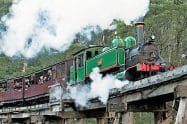
Belgrave is further south and is the starting point for Puffing Billy Railway. Because the main Dandenong Ranges villages are close together, Olinda works particularly well as the centrepiece of a full-day drive or weekend itinerary.
Plan an Olinda Garden Day
If you have half a day, choose the Dandenong Ranges Botanic Garden and the village, then add a nearby public space only if you still have time. The Botanic Garden can take much longer than a quick photo stop. Cloudehill and Pirianda offer different garden experiences but are separate destinations; check access, admission and the terrain before setting out to cover several in one day.
With a full day, combine one major garden with either a second garden or a forest walk. Spring flowering and autumn colour draw crowds, so an early start makes parking and the village meal easier. Do not rely on the map alone to judge walking routes: hills and dispersed garden entrances make a car or a carefully planned bus trip more useful than a continuous village stroll.
Is Olinda Worth Visiting?
Olinda is one of the strongest all-round destinations in the Dandenong Ranges. Its mix of major gardens, forest walks, village shopping, cafes, and accommodation gives visitors much more to do than in many smaller surrounding communities. Garden enthusiasts could easily spend most of a day in Olinda alone, while families can combine the botanic garden with the nature playscape and village. For a first visit to the Dandenong Ranges, Olinda also pairs naturally with Sassafras, Mount Dandenong or Belgrave.
The main downside is popularity: parking and village traffic can become frustrating on fine weekends and during peak spring and autumn periods. Visiting early, midweek or outside the busiest seasonal weekends generally provides a more relaxed experience.
Olinda FAQs
Where is Olinda?
Olinda is a mountain village in the Dandenong Ranges around 50 kilometres east of central Melbourne, between Sassafras, Mount Dandenong, Kallista and Monbulk.
What is Olinda best known for?
Olinda is best known for the Dandenong Ranges Botanic Garden, cool-climate gardens, forest walks, boutique shopping, cafes and accommodation.
Is the National Rhododendron Garden still called that?
No. The former National Rhododendron Garden is now officially known as the Dandenong Ranges Botanic Garden.
Is the Dandenong Ranges Botanic Garden free?
Yes. General entry to the Dandenong Ranges Botanic Garden is free.
Is Cloudehill Garden free?
No. Cloudehill is a privately operated garden and charges admission.
Can you walk to Olinda Falls?
Yes. You reach Olinda Falls by a short forest walk from Olinda Falls Picnic Area. The track can be steep and slippery in wet conditions.
Can you visit Olinda without a car?
Yes. Bus route 688 connects Olinda with Croydon and Upper Ferntree Gully stations, but a car is much more convenient for visiting attractions spread around the ranges.
What is the best time of year to visit Olinda?
Spring is particularly popular for flowering gardens, while autumn is excellent for deciduous foliage. Olinda is worth visiting year-round.
How long should you spend in Olinda?
Allow at least half a day for the village and one major garden. A full day is better if you want to include additional gardens, Olinda Falls or nearby Sassafras and Mount Dandenong.


Do You Have a Question to Ask?