




















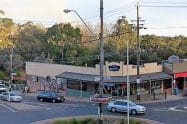

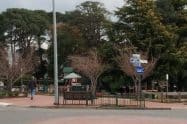
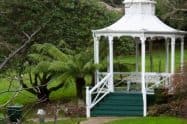


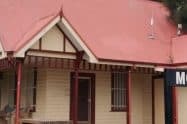
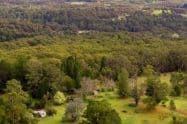

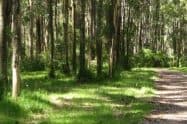

Sherbrooke is one of the most forested and atmospheric parts of the Dandenong Ranges, with towering mountain ash, fern gullies, walking tracks and cool-climate gardens creating a very different experience from the busier villages nearby. The locality sits between Belgrave, Kallista and Sassafras and is largely defined by Sherbrooke Forest, part of Dandenong Ranges National Park. There is no conventional shopping centre or busy main street; most visitors come for walking, picnics, wildlife and gardens.
Sherbrooke is particularly well suited to travellers who want to experience the natural side of the ranges without travelling far from Belgrave or Sassafras.
Things to see and do in Sherbrooke
Sherbrooke Forest
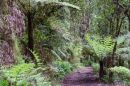
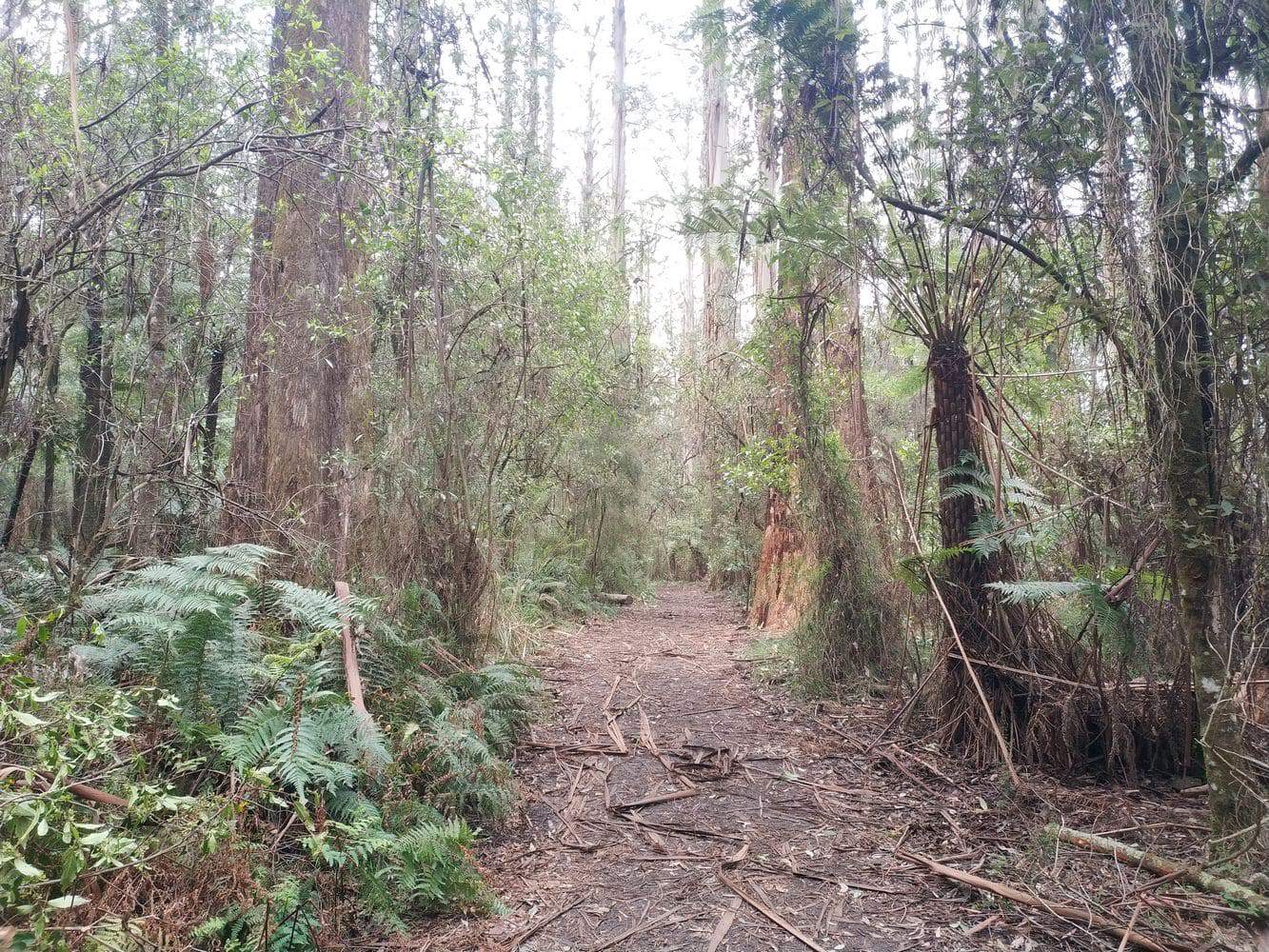
Sherbrooke Forest is the main reason to visit. The forest protects some of the tallest mountain ash country in the Dandenong Ranges, with dense tree ferns, wet gullies and a network of walking tracks. It is one of the best-known places in the ranges to see and hear superb lyrebirds. They are often found scratching through leaf litter beside quieter tracks, particularly early in the morning, late in the afternoon or after rain.
Other wildlife includes wallabies, possums, echidnas and a wide range of native birds. The forest feels markedly different from the surrounding residential areas, and even short walks can provide a strong sense of being immersed in the ranges.
Sherbrooke Falls
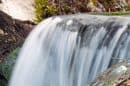
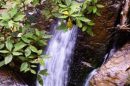
Sherbrooke Falls is one of the best-known walks in this section of Dandenong Ranges National Park. You can reach the waterfall through mountain ash forest from several nearby access points, including Sherbrooke Picnic Ground and O’Donohue Picnic Ground. The falls themselves are relatively modest and are most impressive after good rainfall. For most visitors, the forest walk is the stronger attraction: the route passes through fern gullies, tall trees and habitat where lyrebirds are often encountered.
Conditions can become muddy and slippery after rain, so sturdy footwear is worthwhile.
O’Donohue Picnic Ground
O’Donohue Picnic Ground is one of the easiest starting points for the Sherbrooke Falls walk. The small picnic area has tables, barbecues and toilets and sits close to the forest edge. From here, the walking route to the falls is relatively direct, although it still includes steep sections. The path gradients exceed 1 in 10 in places, and the viewing platform for Sherbrooke Falls requires descending a narrow staircase, so the walk is not suitable for visitors with limited mobility.
O’Donohue works well for walkers who want a simpler forest outing without the larger crowds often found at Grants Picnic Ground.
Sherbrooke Picnic Ground
Sherbrooke Picnic Ground is another useful entry point into the forest. The site has picnic facilities and access to several walking tracks through the surrounding national park. Its location deeper in the forest makes it quieter than some better-known recreation areas, particularly outside weekends. Visitors can use it as a starting point for Sherbrooke Falls or combine a picnic with a shorter forest walk.
Grants Picnic Ground
Grants Picnic Ground is one of the busiest recreation areas in Sherbrooke Forest and is popular with families and day-trippers. The site has picnic facilities, walking tracks and direct access into some of the most accessible sections of the forest. The Hardy Gully Walk is one of the easier tracks from the picnic ground and is particularly good for spotting lyrebirds in the early morning or late afternoon.
Visitors should be aware that the Margaret Lester Forest Walk no longer meets the expected standard of an all-abilities trail. Parks Victoria currently warns of uneven surfaces, drainage problems and infrastructure that may make the walk unsuitable for some visitors. The cafe at Grants Picnic Ground is also temporarily closed while Parks Victoria works through a new lease process. A mobile coffee van operates on selected days.
Eastern Sherbrooke Forest Walk
Experienced walkers can explore deeper into the forest on the Eastern Sherbrooke Forest Walk. This route is longer and quieter than the short picnic-ground circuits and passes through substantial sections of mountain ash and fern forest. It is a better choice for visitors who want a proper bushwalk rather than a short stroll near the car park. As with all longer walks in the ranges, track conditions can change after storms and heavy rain, so it’s sensible to check current Parks Victoria alerts before setting out.
George Tindale Memorial Garden
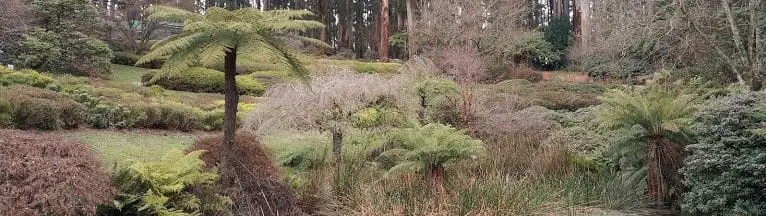
George Tindale Memorial Garden is Sherbrooke’s major formal garden and provides a complete contrast to the surrounding national park. The three-hectare garden at 33 Sherbrooke Road contains an extensive collection of cool-climate plants, including magnolias, rhododendrons, camellias, azaleas, hydrangeas and rare species not often seen elsewhere. The garden is designed to provide seasonal interest throughout much of the year. Spring is particularly strong for flowering displays, while autumn brings colour from deciduous trees.
Lawns and picnic areas make it easy to spend an hour or two here, and sculptures are integrated into the garden. Dogs are permitted but must remain on a lead.
Nearby Alfred Nicholas Memorial Gardens
Alfred Nicholas Memorial Gardens lies just north of Sherbrooke near Sassafras and is easy to combine with a visit. Its steep paths descend through mature exotic plantings towards an ornamental lake and boathouse. The garden is larger and more dramatic in scale than George Tindale, while George Tindale feels more intimate and horticulturally focused. Together, the two gardens make this part of the ranges particularly strong for visitors interested in plants and landscape design.
Wildlife Watching
Sherbrooke is one of the strongest wildlife areas in the Dandenong Ranges. Lyrebirds are the standout species, but visitors may also see wallabies, wombats, possums and colourful parrots. Quiet behaviour improves the chances of seeing wildlife. Avoid feeding birds and animals, and keep your distance if you encounter wildlife near tracks. Dawn and late afternoon are generally the best times for wildlife activity.
Eating and Drinking
Sherbrooke has very limited dining within the locality itself. For cafes, restaurants, and bakeries, nearby Kallista, Sassafras, and Belgrave offer much stronger options. This is important for trip planning because visitors should not arrive expecting a large cafe precinct beside the forest. Bringing a picnic is often the easiest option for a day focused on Sherbrooke Forest.
Accommodation in Sherbrooke
Accommodation in Sherbrooke is mainly small-scale and nature-focused. Options include cottages, bed and breakfasts, guesthouses and private forest retreats. The area appeals especially to couples and travellers who want quiet surroundings rather than nightlife or immediate access to shops. Belgrave provides better rail access and everyday services, while Sassafras and Olinda offer more village atmosphere. Sherbrooke is strongest for forest immersion.
Getting to Sherbrooke
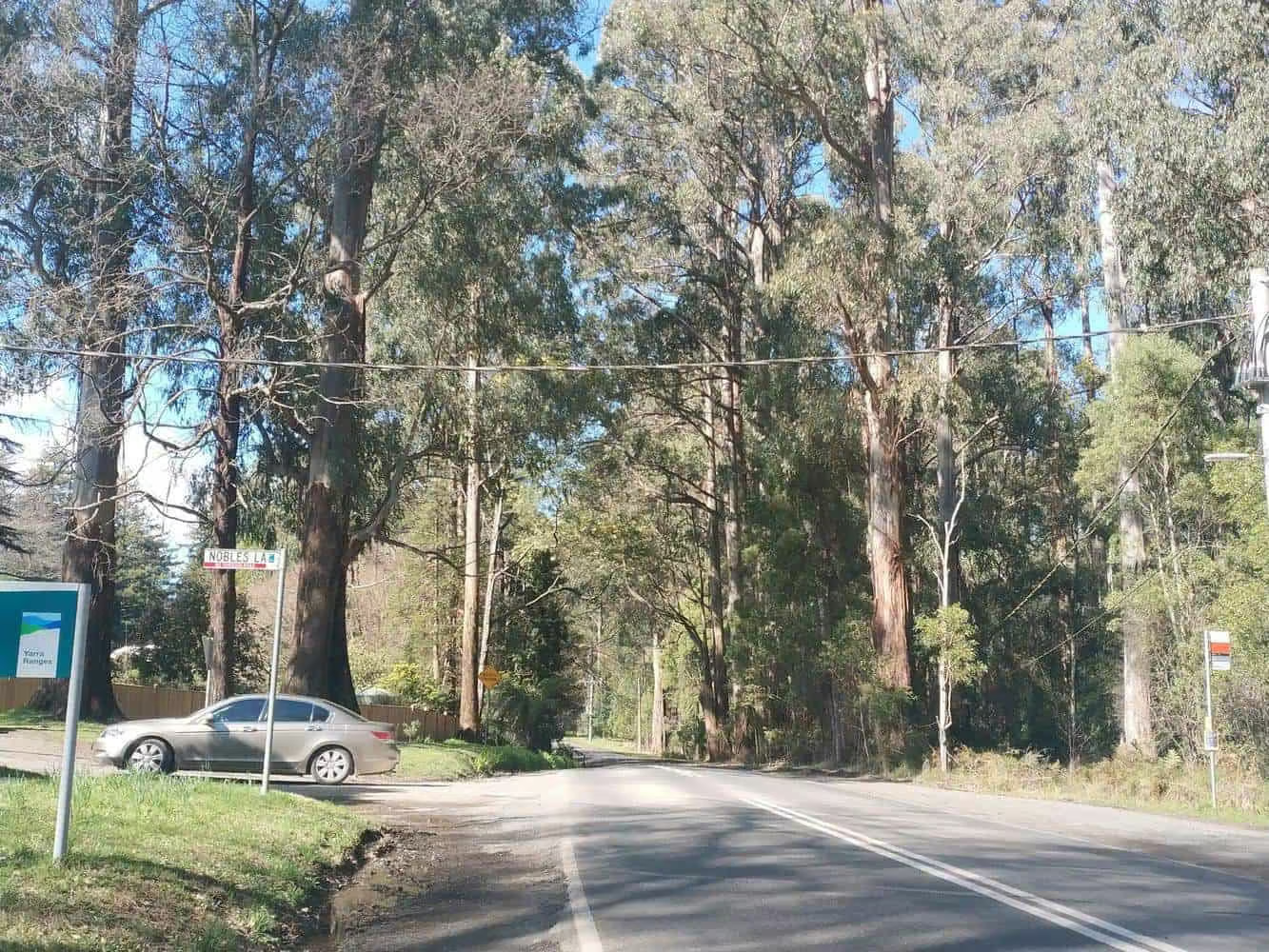
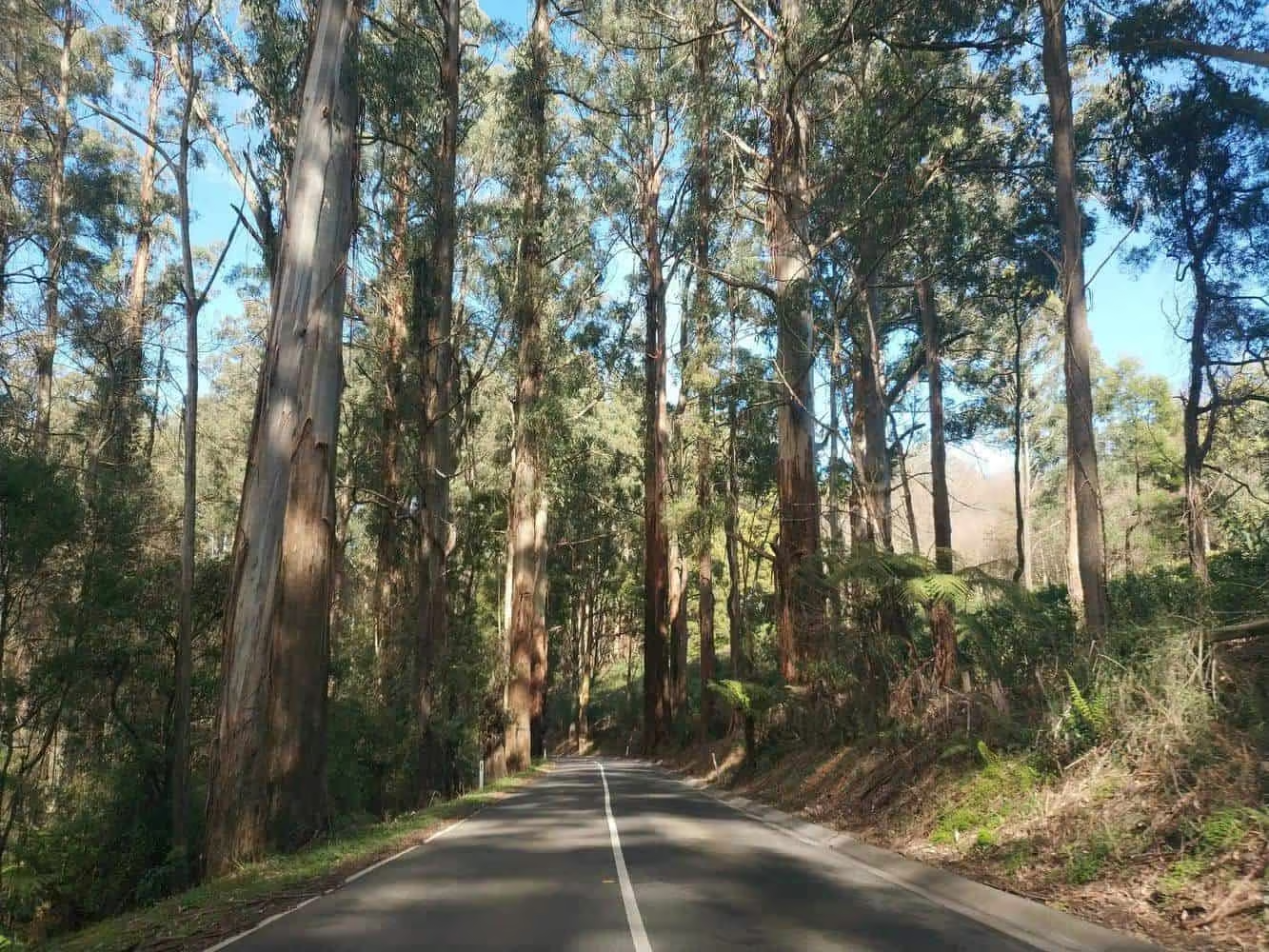
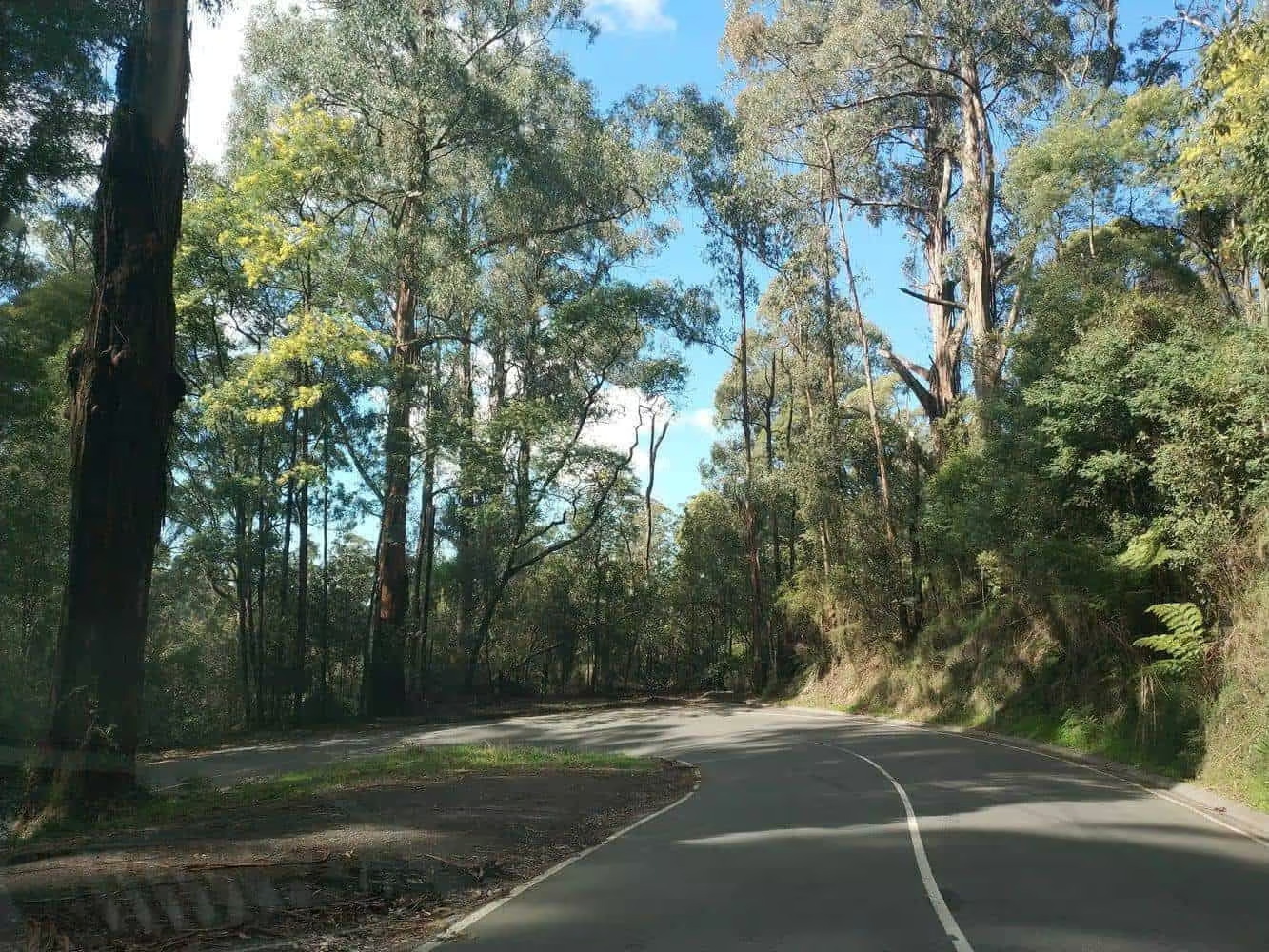
Driving is the easiest way to explore Sherbrooke. Sherbrooke Road and Grantulla Road provide access through the locality, while Mount Dandenong Tourist Road connects nearby Sassafras and Olinda. Roads are winding and shaded, and fog, wet leaves and fallen branches can affect driving conditions. Parking is available at the main picnic grounds and gardens but can fill on busy weekends.
Public Transport
Public transport is possible but less convenient than in Belgrave. Bus route 694 travels between Belgrave and Olinda via Sherbrooke Road and Kallista, providing access close to several parts of the locality. Route 688 also runs through nearby Sassafras and Olinda, giving additional connections to Croydon and Upper Ferntree Gully. For visitors planning only a short forest walk or garden visit, public transport can work well. A car is more practical if you want to combine multiple picnic grounds, gardens and trailheads.
Getting Around Sherbrooke
Sherbrooke is not a compact village you can explore entirely on foot. The forest tracks themselves are excellent for walking, but the main visitor sites are spread along roads and separated by steep terrain. A typical visit usually involves driving to one or two trailheads or gardens rather than walking between everything.
Nearby Places to Visit
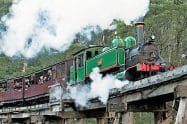
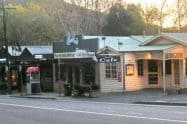
Kallista lies immediately east and has cafes, small shops and access to more forest. Sassafras is north-west and offers tearooms, boutique shopping and Alfred Nicholas Memorial Gardens. Belgrave lies south-west and offers Puffing Billy, train access, and a larger town centre. Olinda lies further north and adds major gardens, cafes and accommodation.
A Sherbrooke Forest Outing
Choose one forest entry and walk before lunch, such as a signed Sherbrooke Falls route from its appropriate trailhead. Check the track and parking information rather than treating every picnic ground and garden as a single connected walk. Grants Picnic Ground can make a second stop; nearby ornamental gardens are separate outings better added with a car and enough afternoon light.
Is Sherbrooke Worth Visiting?
Sherbrooke is one of the best places in the Dandenong Ranges for visitors who prioritise forest over shopping. Its strengths are Sherbrooke Forest, lyrebirds, quiet walking tracks, picnic grounds and George Tindale Memorial Garden. It is less suited to visitors who want a walkable village centre, extensive dining or multiple indoor attractions. A half-day is enough for one forest walk and a garden, while a full day allows time to combine Sherbrooke with Kallista, Sassafras or Belgrave.
For walkers and nature-focused visitors, Sherbrooke is one of the strongest destinations in the ranges.
Suburb FAQs
Where is Sherbrooke?
Sherbrooke is in the Dandenong Ranges between Belgrave, Kallista and Sassafras.
What is Sherbrooke best known for?
Sherbrooke is best known for Sherbrooke Forest, lyrebirds, Sherbrooke Falls, picnic grounds and George Tindale Memorial Garden.
Is Sherbrooke Falls worth visiting?
Yes, although the waterfall is relatively small. The surrounding forest walk is the main attraction and is especially pleasant after rain.
Where is the easiest access to Sherbrooke Falls?
O’Donohue Picnic Ground provides one of the most direct approaches.
Can you see lyrebirds in Sherbrooke Forest?
Yes. Sherbrooke Forest is one of the best-known places in the Dandenong Ranges for lyrebirds, although sightings are never guaranteed.
Is George Tindale Memorial Garden free?
Yes. Entry is free.
Can you take dogs to George Tindale Memorial Garden?
Yes, but dogs must remain on a lead.
Is Grants Picnic Ground cafe open?
The cafe is currently temporarily closed while Parks Victoria works through a new lease process. A mobile coffee van operates on selected days.
Can you get to Sherbrooke by public transport?
Yes. Bus route 694 travels through the area between Belgrave and Olinda via Kallista and Sherbrooke Road.
How long should you spend in Sherbrooke?
Allow at least half a day for a forest walk and garden. A full day works well if you combine Sherbrooke with nearby Kallista, Sassafras, or Belgrave.









Do You Have a Question to Ask?